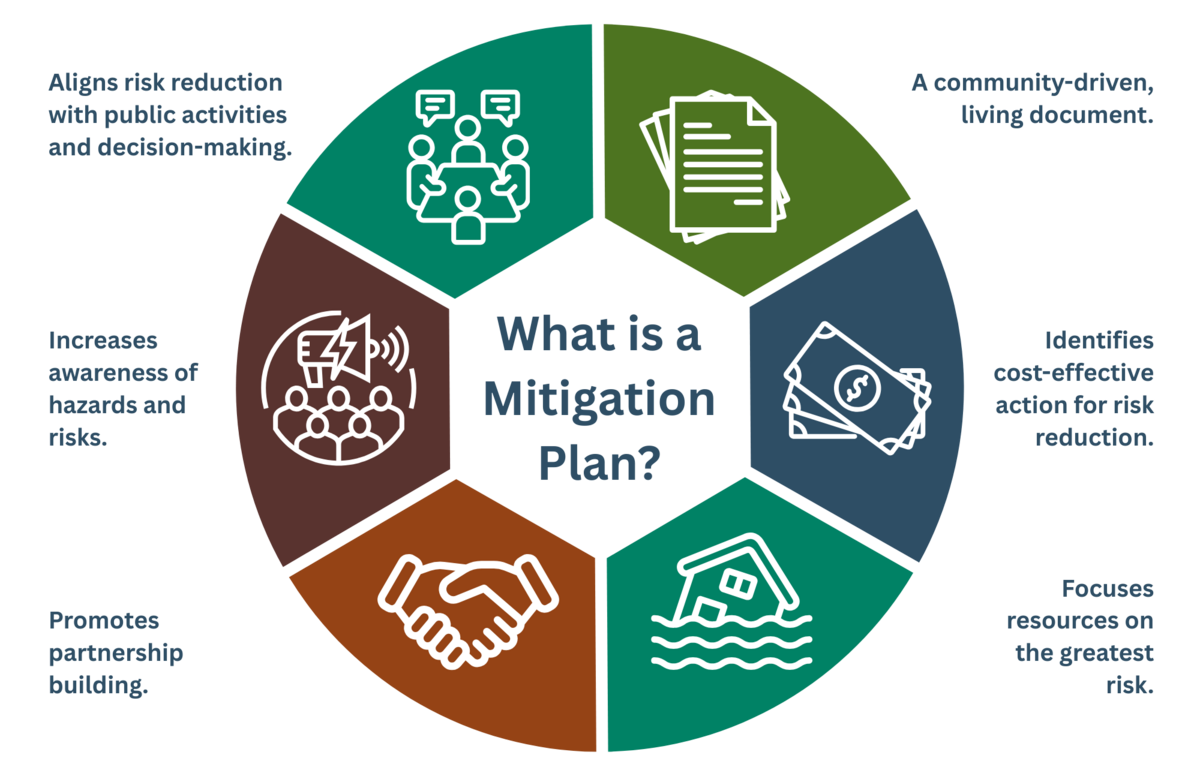
Boulder County's overall project goals:
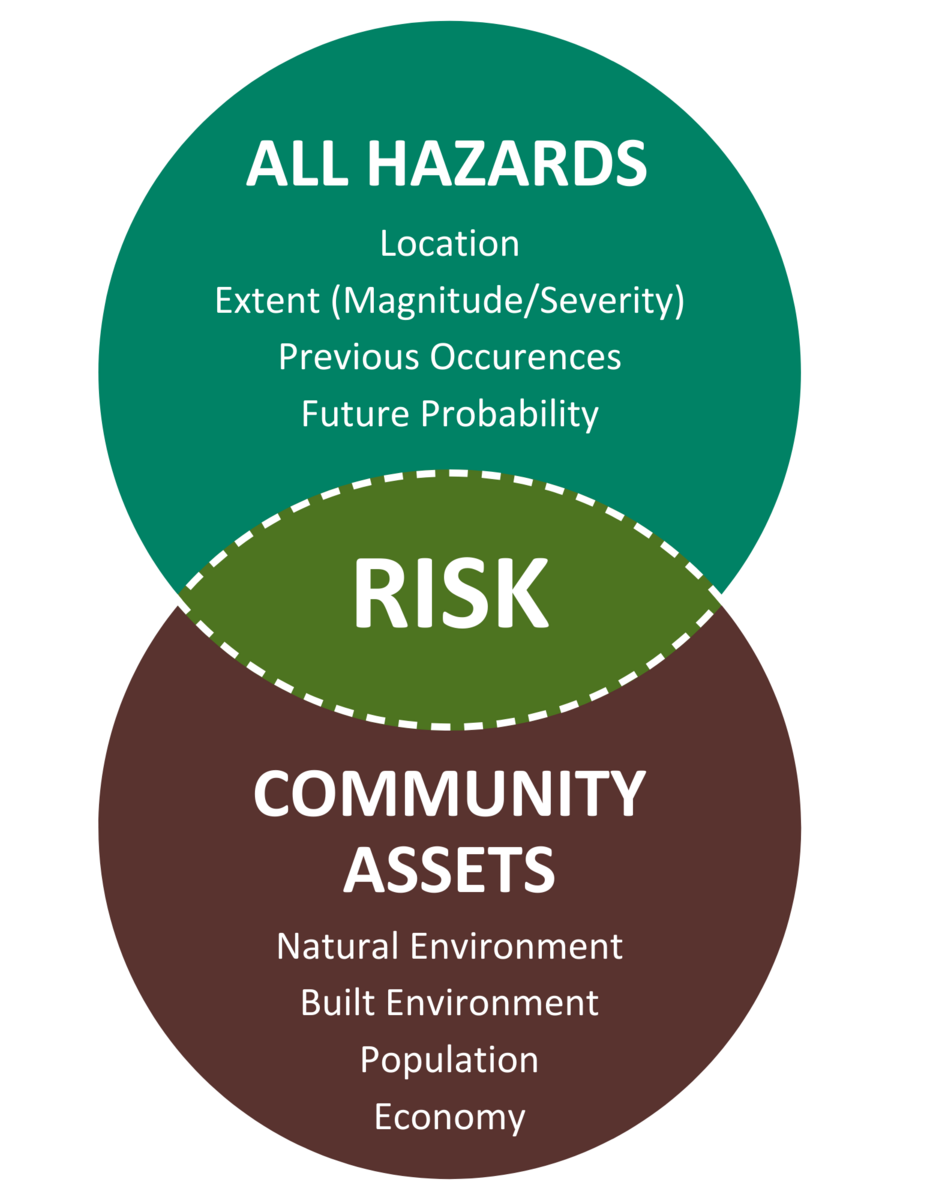
Hazards Being Profiled
The following hazards are being assessed as part of this plan update
- Dam / Levee Incident
- Drought
- Earthquake
- Extreme Heat
- Flood
- Geologic Ground Hazards: Deposition, Erosion, Expansive Soils & Ground Subsidence
- Hail
- Lightning
- Mass Earth Movements: Avalanches, Debris Flows, Landslides, & Rockfalls
- Severe Wind / Tornado
- Severe Winter Weather
- Wildfire
Mitigation Actions
What is a mitigation action?
A hazard mitigation action is a long-term action taken to reduce or eliminate long-term risk to people and property from the effects of hazards. There are four types of mitigation projects: Structure and Infrastructure, Plans and Regulations, Education and Awareness, and Natural Systems Protection.
Local Plans and Regulations
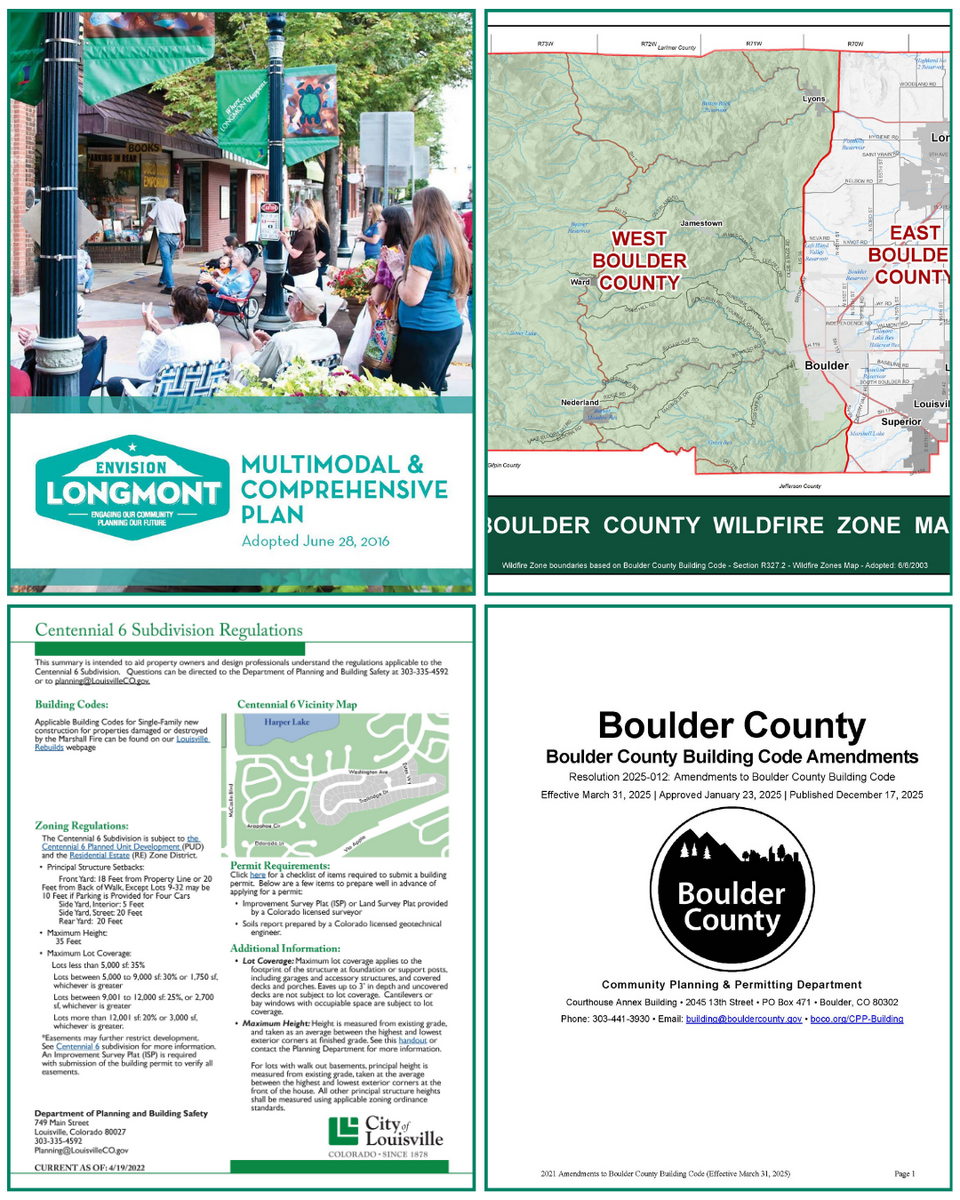
Policies, plans, and regulatory measures adopted by local governments to guide development away from high-risk areas and ensure long-term reduction of hazard exposure.
Example: The Boulder County building code regulates how buildings are built. The Envision Longmont Comprehensive Plan guides future development to happen away from flood-prone areas of the city.
Structure and Infrastructure
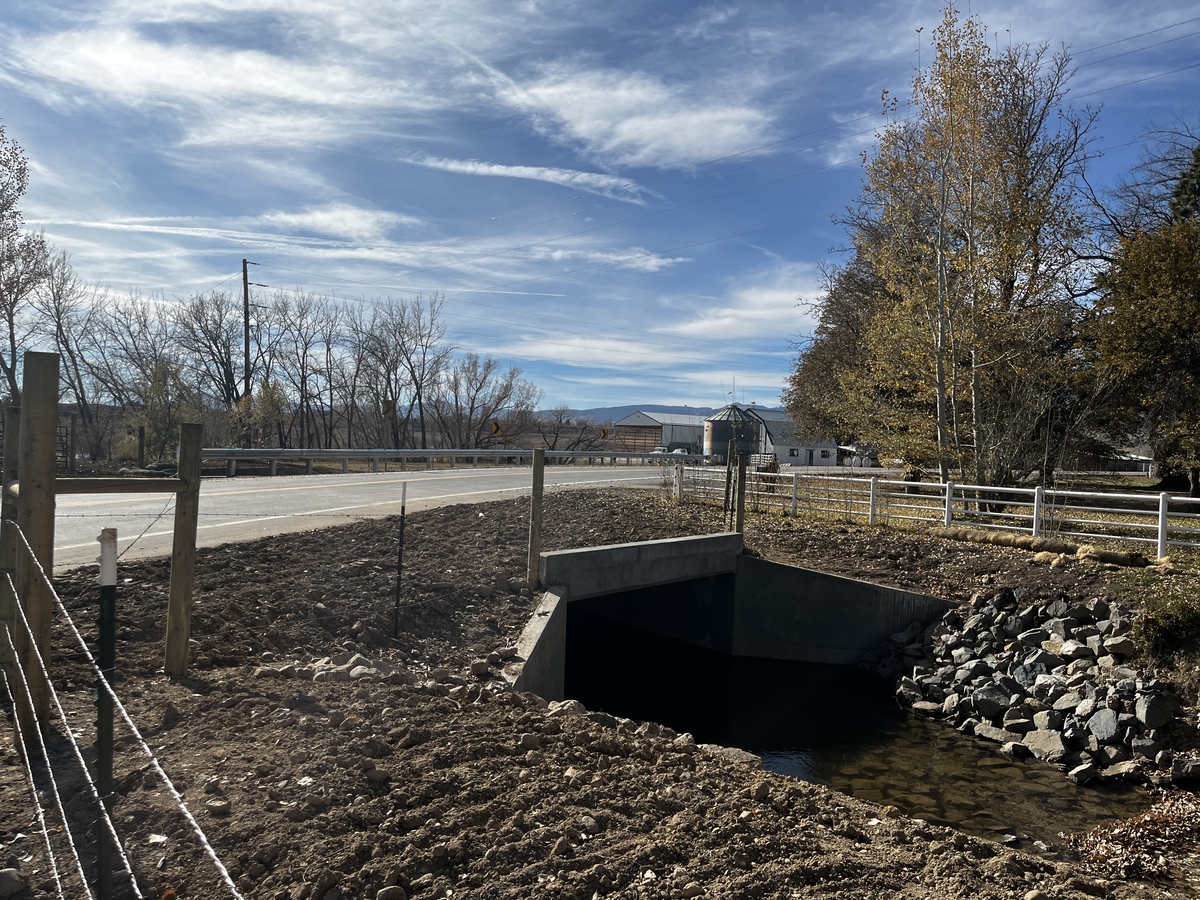
Physical improvements or construction activities that strengthen, elevate, retrofit, or protect buildings and critical infrastructure to reduce damage from natural hazards.
Example: This culvert was "upsized" or made larger to allow for more floodwater to flow through and not disrupt the road above.
Education and Awareness

Initiatives that inform and engage the public, decision-makers, and stakeholders about hazards and mitigation strategies to encourage safer behaviors and risk-informed choices.
Example: Programs like Wildfire Partners provide the public with information about wildfires and empower them to prepare for and mitigate wildfires on their property.
Natural Systems Protection
Actions that conserve, restore, or enhance natural features to reduce hazard impacts while providing environmental and community co-benefits, such as flood attenuation and erosion control.
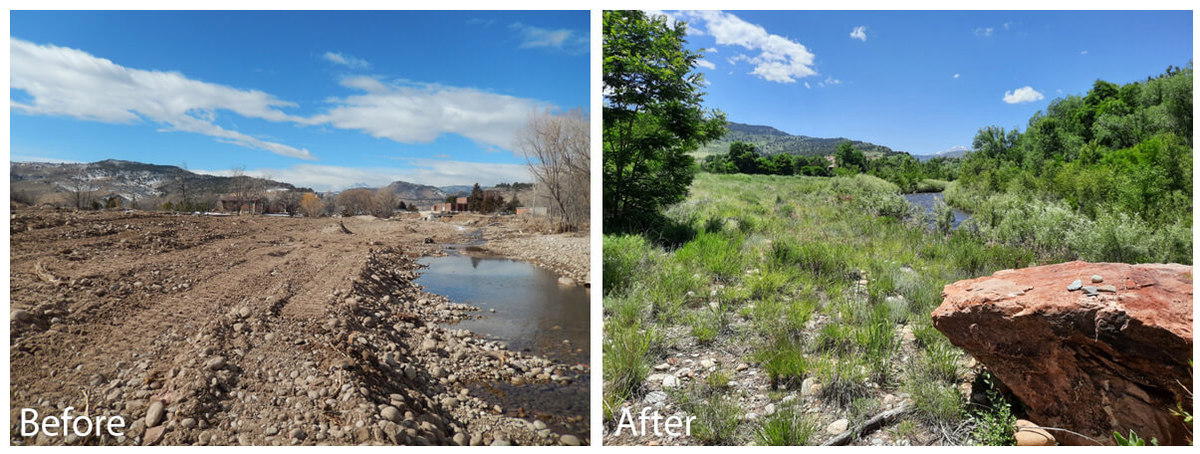
Example: These images from Boulder County Parks and Open Space shows the work completed to restore the St. Vrain Creek riparian corridor following the 2013 Flood. This project improves the natural habitat by directing excess stream flow into the natural areas and away from infrastructure. This project helps recover from the 2013 Flood and mitigates future flood impacts, preventing similar disasters. Find out more about the St. Vrain Creek riparian corridor restoration project